
adu massachusetts law
Accessory Dwelling Units (ADUs) in Massachusetts
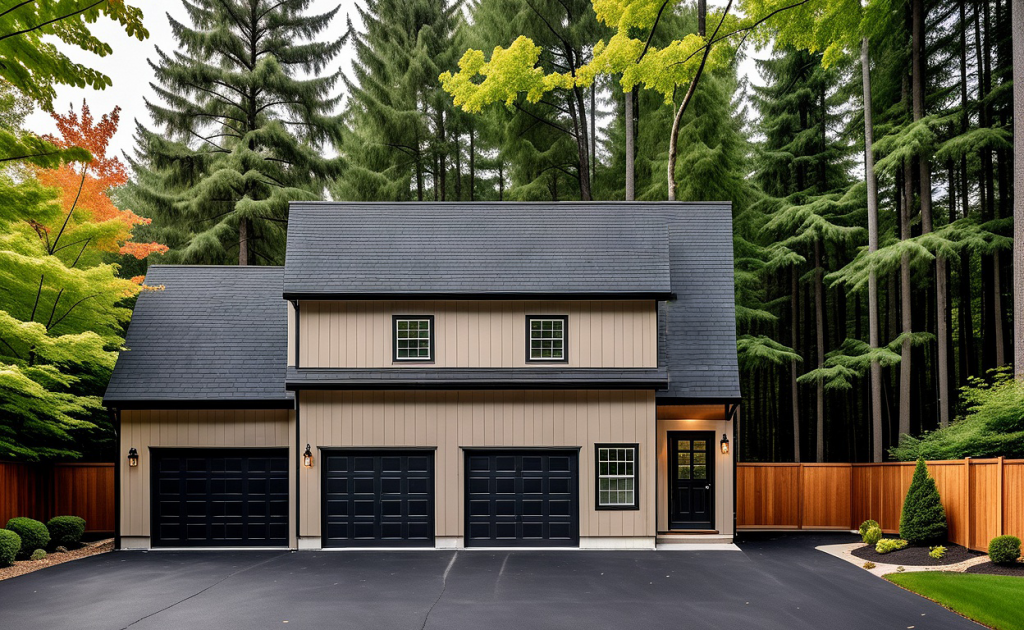
An Accessory Dwelling Unit, or ADU, is a smaller independent living space located on the same lot as a primary home. Designed to expand housing opportunities while preserving neighborhood character, ADUs provide flexible living options for families, renters, and homeowners. As housing costs continue to rise, ADUs are becoming a practical and powerful solution across Massachusetts.
What Is an ADU?
An Accessory Dwelling Unit, or ADU, is a smaller independent living space located on the same lot as a primary home. Designed to expand housing opportunities while preserving neighborhood character, ADUs provide flexible living options for families, renters, and homeowners. As housing costs continue to rise, ADUs are becoming a practical and powerful solution across Massachusetts.

The Affordable Homes Act (2024)
On August 6, 2024, Governor Maura Healey signed the Affordable Homes Act (Chapter 150 of the Acts of 2024) into law. This legislation represents one of the most significant housing reforms in recent years.
Section 8 of the Act amends the Massachusetts Zoning Act (M.G.L. c. 40), allowing homeowners in single-family zoning districts to build an ADU by right. This means eligible ADUs can be constructed without requiring discretionary special permits.
The law authorizes $5.16 billion in housing investment over five years and introduces nearly 50 policy initiatives aimed at reducing housing costs and expanding access statewide. The ADU reform is a focused yet transformative step toward addressing the housing shortage.
Effective Date: February 2, 2025
ADU Size & Legal Requirements
To qualify under state law, an ADU must meet specific requirements. The unit must include a separate entrance, either directly from the outside or through a shared corridor that meets state building code standards for safe egress.
The size of the ADU cannot exceed half of the gross floor area of the primary dwelling or 900 square feet — whichever is smaller. While ADUs are permitted by right under state law, they must still comply with local building regulations, dimensional requirements, and any municipal restrictions adopted in accordance with the statute.


What Municipalities May Regulate
While the new law simplifies ADU approvals, municipalities retain authority to impose reasonable regulations. Cities and towns may require site plan review, enforce septic system (Title V) standards, and regulate dimensional setbacks, building height, and structural bulk.
Communities may also regulate short-term rental activity if they choose to do so. These local measures ensure ADUs integrate responsibly into existing neighborhoods while maintaining safety and infrastructure standards.
What Municipalities Cannot Require
Under the Affordable Homes Act, certain restrictions are no longer permitted. Municipalities cannot require owner occupancy of either the ADU or the primary dwelling, nor can they mandate a family relationship between occupants.
Cities and towns may not require special permits or other discretionary zoning approvals for the use or rental of a qualifying ADU. Parking requirements are also limited. If the property is located within half a mile of a commuter rail station, subway station, ferry terminal, or bus station, no parking may be required. Outside that radius, municipalities may require no more than one parking space.
These protections are designed to make ADU construction more accessible and predictable for property owners.


ADU Incentive Program
To further encourage ADU construction, the Healey-Driscoll Administration has introduced an ADU Incentive Program. The Massachusetts Housing Partnership (MHP) will oversee this initiative, providing outreach, education, technical guidance, and financial assistance to eligible property owners.
This program helps reduce barriers to development and ensures homeowners have the resources needed to move forward confidently with ADU construction.
Important Disclaimer
This information is provided for general guidance and does not constitute legal advice. Property owners, municipalities, and developers should consult with local officials and qualified legal, real estate, or building professionals regarding specific properties and permitting requirements.

Yankee ADU's is proudly powered by WordPress